

Service
INLAYS & ONLAYS
Repair moderate decay and fractures with durable inlays and onlays. Preserve tooth structure with custom-fitted restorations.
Book Online
Precision Restorations with Inlays & Onlays
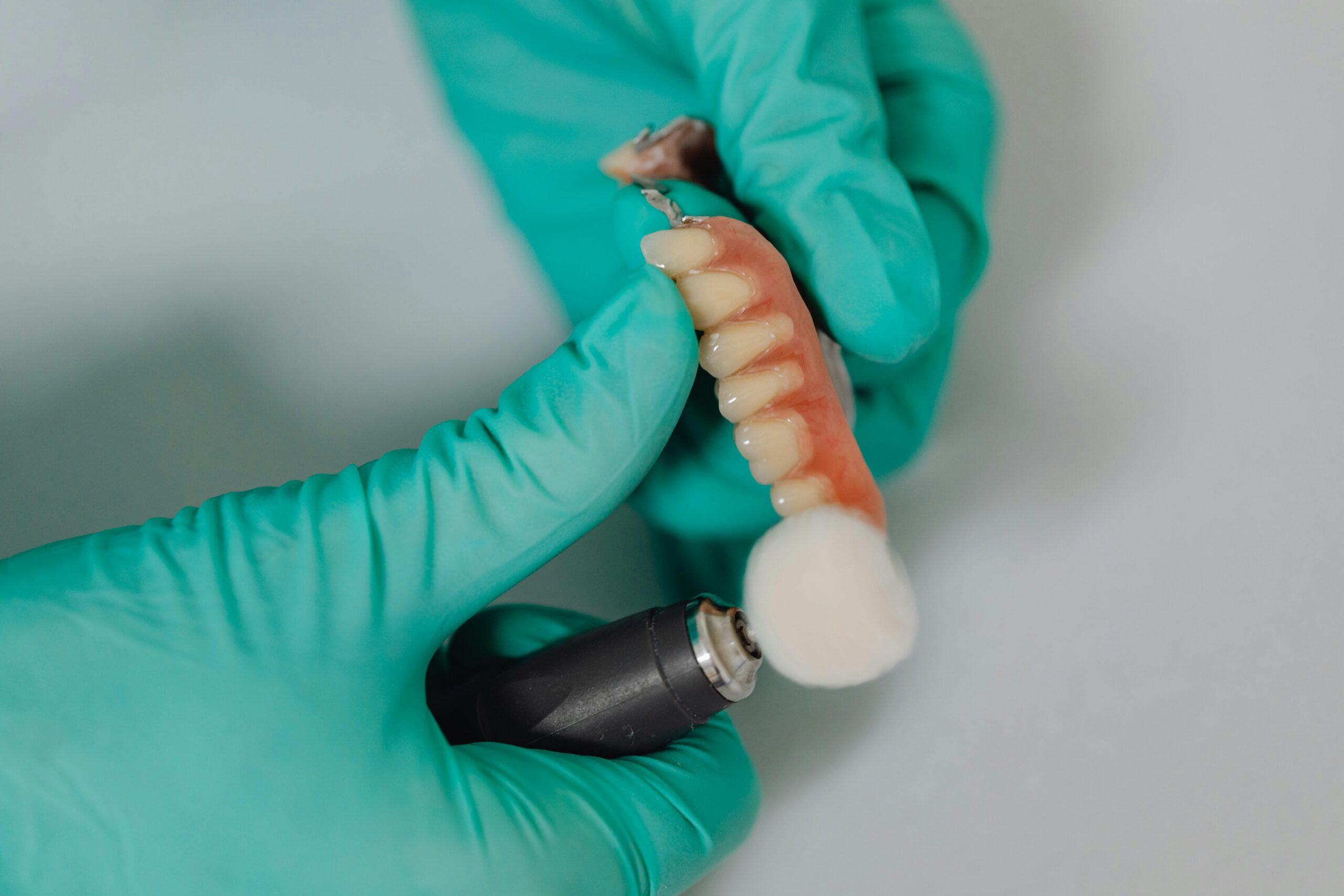
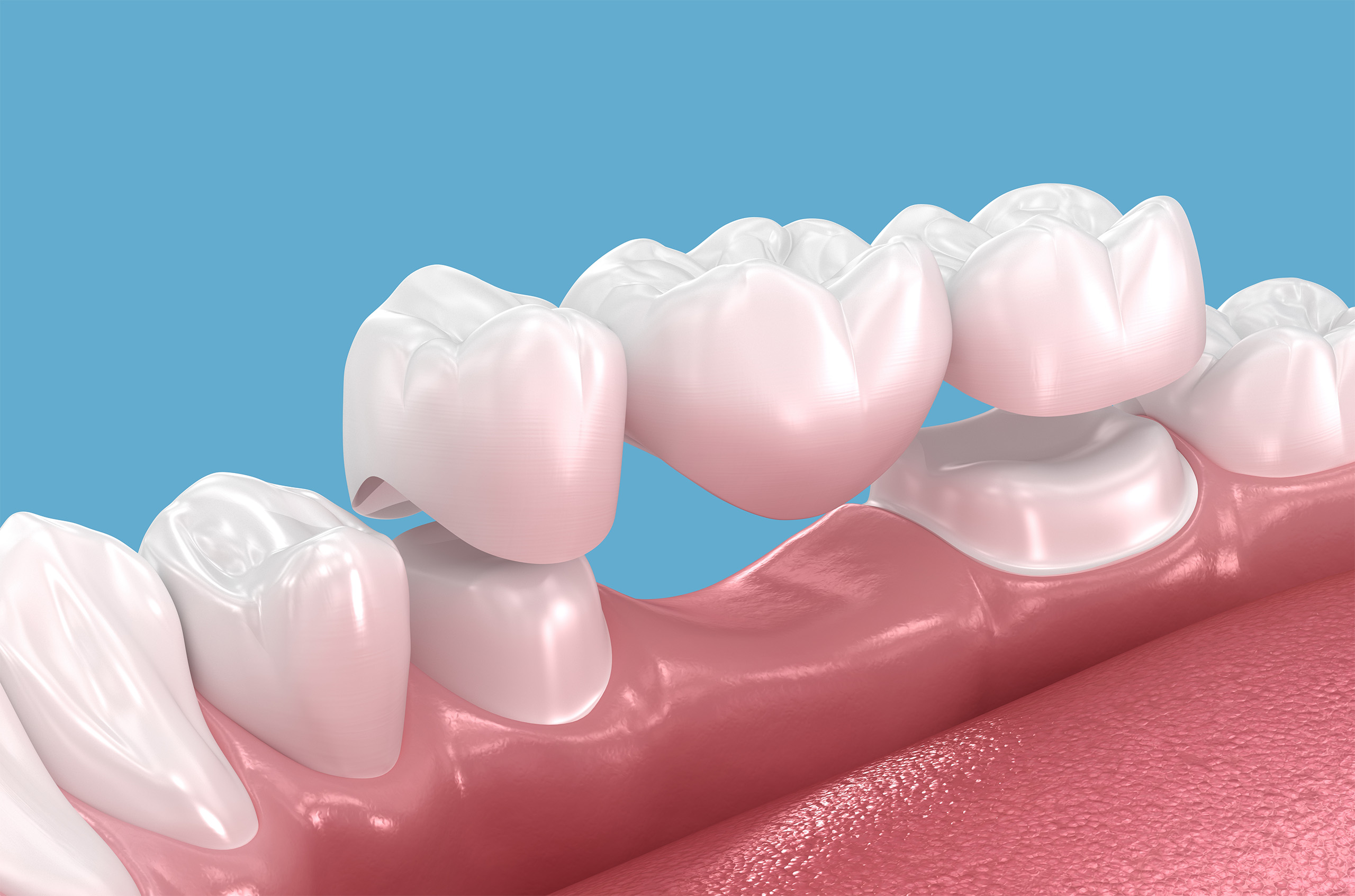
Inlays and onlays are indirect restorations—fabricated outside the mouth in a dental lab—that fit precisely within (inlay) or over one or more cusps (onlay) of a prepared tooth. They offer a middle ground between fillings and crowns, preserving maximum healthy tooth structure while providing enhanced strength and longevity.
Benefits vs. Fillings and Crowns
- Conservation: Remove only decayed portions; preserve healthy enamel and dentin.
- Strength: Lab-processed ceramics or metals exhibit superior fracture resistance compared to direct composites.
- Marginal Integrity: Precise fit reduces microleakage risk.
- Aesthetic Options: All-ceramic (lithium disilicate) blends seamlessly with natural teeth.
Indications
- Moderate Class I–V lesions where direct restorations would compromise cusps.
- Fractured cusps requiring coverage but not full-crown preparation.
- Replacement of old, failing amalgam or composite fillings.
- Patients with high bruxism—ensuring durable materials to withstand occlusal forces.
Materials
1. Porcelain (Lithium Disilicate)
- High translucency and strength (~360–400 MPa flexural).
2. Zirconia
- Exceptional fracture toughness; ideal for high-stress areas.
3. Gold Alloy
- Biocompatible, excellent wear characteristics, and minimal opposing tooth wear.
4. Composite Resin (Lab-Processed)
- Lower cost; less durable than ceramics but more repairable.
Maintenance & Longevity
-
- Durability: Ceramic inlays/onlays last 10–15+ years; gold up to 20+ years.
-
- Home Care: Brush twice daily, floss interproximally, and use nonabrasive toothpaste.
- Recall: Six-month check-ups to monitor marginal integrity and tooth health.
Considerations
-
- Cost vs. Benefit: Higher upfront cost than direct composites but superior longevity and less likelihood of replacement.
-
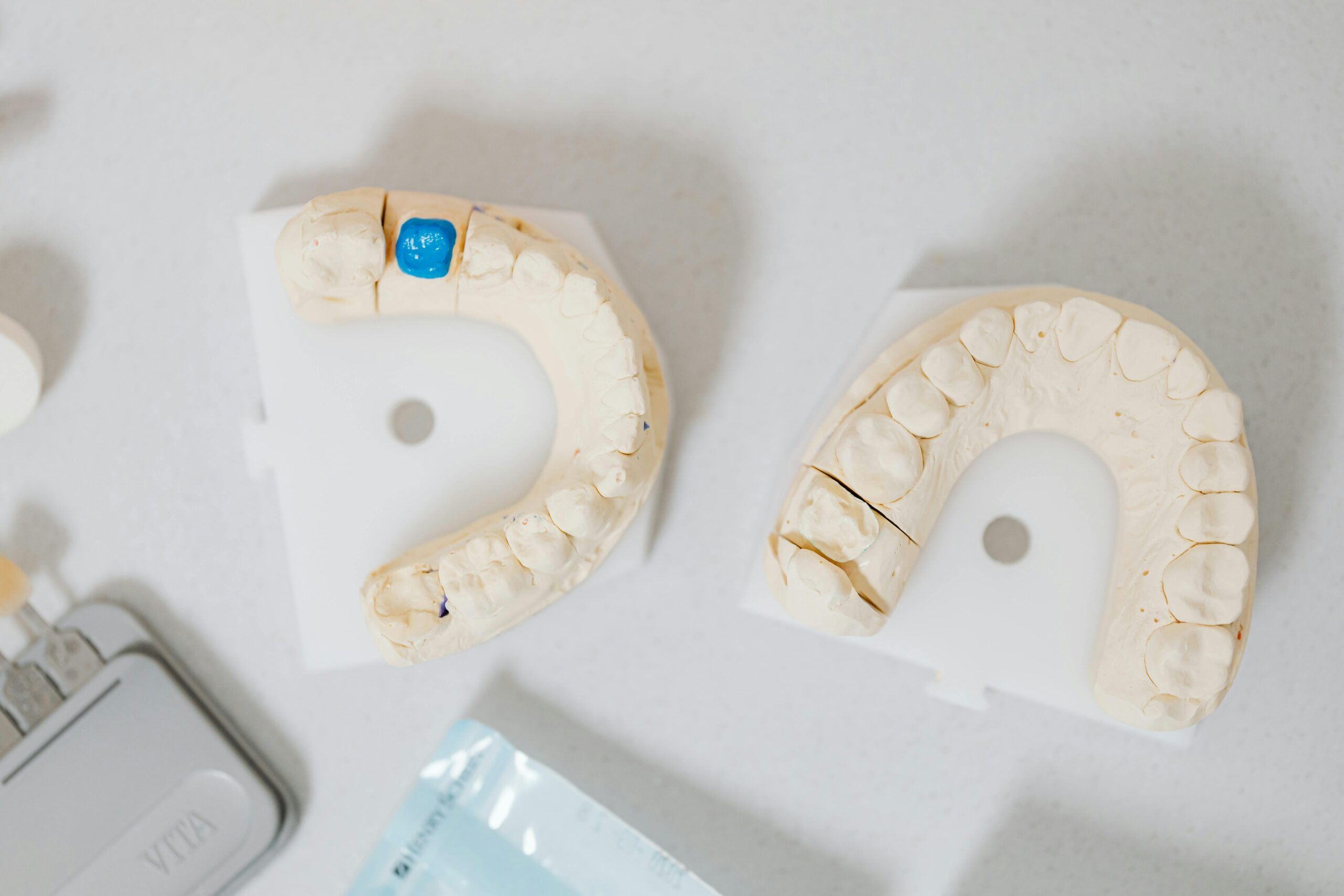
- Technique Sensitivity: Accurate impressions/scans and cementation protocols are critical for success.
- Esthetic Zones: All-ceramic options recommended for visible anterior and premolar regions.



 No products in the cart.