


Service
DENTAL BRIDGE
Restore your smile and bite with custom dental bridges. Durable, natural-looking solutions for one or multiple missing teeth.
Book Online
Seamless Tooth Replacement with Dental Bridges
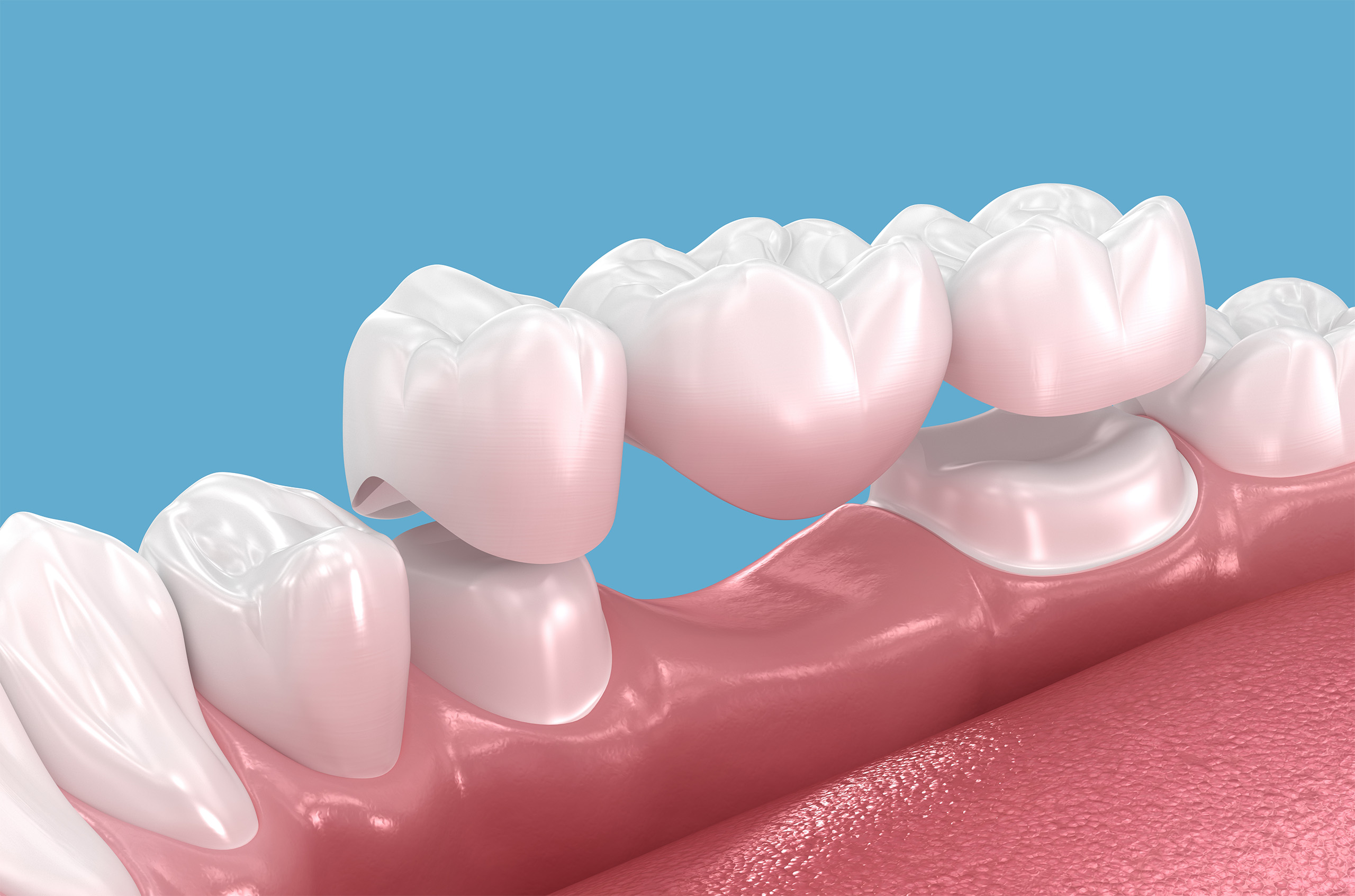
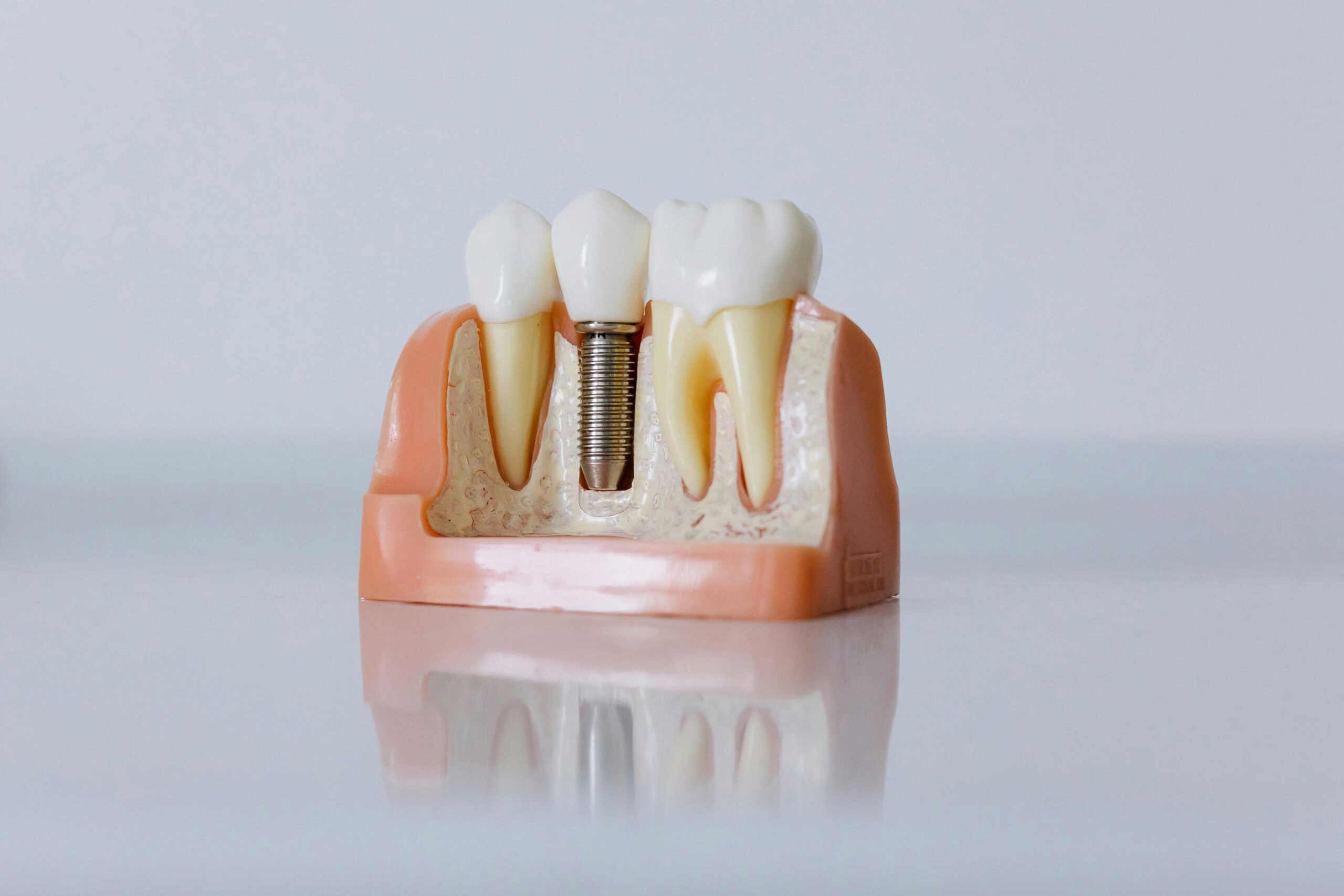
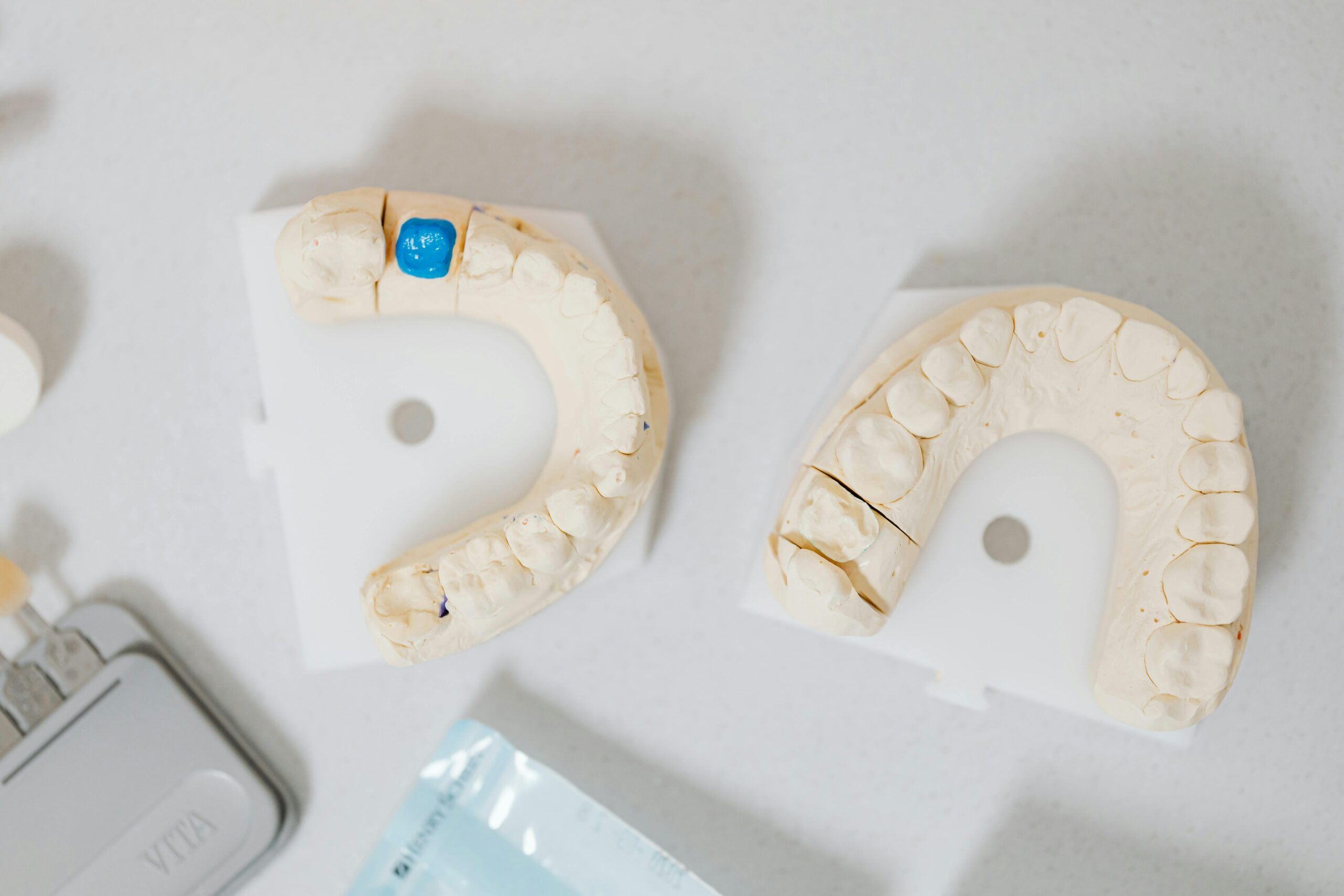
Dental bridges are fixed prosthetic devices that “bridge” the gap created by one or more missing teeth. They anchor to adjacent healthy teeth (abutments) or implants and support pontics (artificial teeth) crafted to match your natural dentition. Bridges restore chewing function, prevent adjacent teeth from drifting, and maintain facial structure aesthetics.
Types of Bridges
1 . Traditional Bridges
- Design: Pontic held between two crowns on abutment teeth.
- Materials: Porcelain-fused-to-metal (PFM), all-ceramic (zirconia or lithium disilicate).
- Pros: Strong and durable; excellent aesthetics with ceramic options.
- Cons: Requires healthy abutment teeth for crowning.
2 . Cantilever Bridges
- Design: Pontic anchored to only one adjacent crown.
- Indications: Limited space or when only one side has a healthy abutment.
- Considerations: Not recommended in areas with high biting forces.
3 . Maryland (Resin-Bonded) Bridges
- Design: Pontic with wing-like metal or ceramic extensions bonded to the backs of adjacent teeth.
- Pros: Minimal tooth preparation; less invasive.
- Cons: Less durable under heavy occlusal loads; wing debonding risk.
4 . Implant-Supported Bridges
- Design: Pontics supported by two or more implants in the jaw, eliminating need to crown natural teeth.
- Pros: Preserves adjacent teeth; superior stability and bone preservation.
- Cons: Higher cost; requires adequate bone volume and surgical placement.
Ideal Candidates
-
- One or more missing teeth with healthy abutment teeth or sufficient bone for implants.
-
- Patients seeking a non-removable replacement alternative to dentures.
-
- Good overall oral health with no untreated decay or gum disease.
- Commitment to maintaining hygiene around bridge margins and underlying abutments.
Benefits & Considerations
-
- Function Restoration: Enables normal chewing forces and speech articulation.
-
- Aesthetic Harmony: Custom-crafted pontics mimic natural tooth form, shade, and translucency.
-
- Bone Preservation: Implant-supported options maintain alveolar bone through functional load transfer.
- Long-Term Prognosis: With proper care, bridges last 10–15 years (PFM) or 15+ years (allceramic/implant-supported).



 No products in the cart.