
Why Is Scaling and Polishing Important Even If You Brush Every Day?
 By Dr Natasha Lee | Artisan Dental

Brushing your teeth twice a day is one of the simplest things you can do to care for your oral health. But something I often like to explain to my patients is that even with good brushing habits, our teeth can still benefit from professional cleaning.
You might brush regularly, floss every evening and have no discomfort at all. So it's perfectly reasonable to wonder: Do I really need scaling and polishing if my teeth already feel clean?
The answer comes down to understanding what happens in the areas our toothbrushes don't always reach.
Why Brushing Alone May Not Be Enough
Every day, a thin, sticky film of bacteria called plaque forms naturally on our teeth.
Brushing and cleaning between your teeth help remove this plaque. However, certain areas can be more difficult to reach, particularly along the gumline and between teeth.
When plaque is left undisturbed, it can gradually harden into tartar, also known as dental calculus.
And here's an important distinction: while plaque can be removed through good daily oral hygiene, hardened tartar cannot be brushed or flossed away.
It needs to be removed professionally.
This doesn't mean you're doing something wrong with your brushing. It simply means that home care and professional dental cleaning serve different, complementary purposes.
What Happens If Tartar Is Left on Your Teeth?
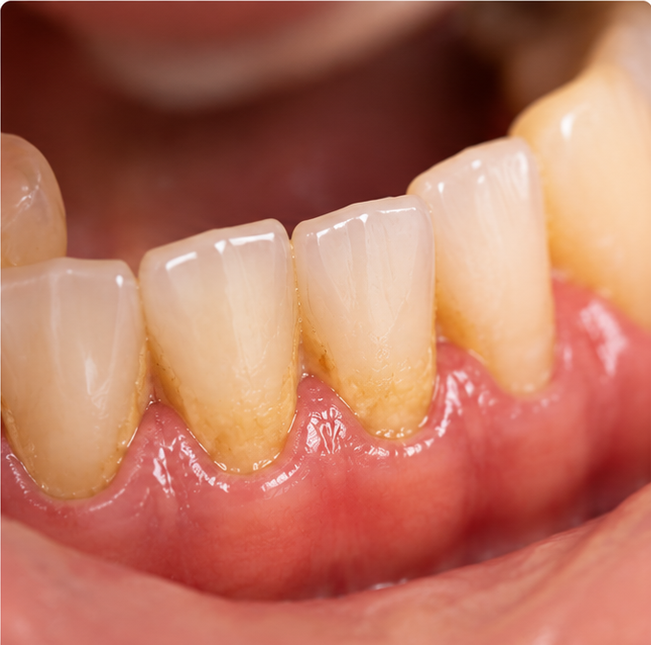
Tartar isn't just something that affects how your teeth look.
Because of its rough surface, it can make it easier for additional plaque to accumulate around the teeth and gums. Over time, this may contribute to gum inflammation.
You might notice your gums bleeding when you brush, persistent bad breath or deposits that leave certain teeth feeling rough.
But sometimes, there are no obvious warning signs.
One thing I encourage patients to remember is that the absence of pain doesn't necessarily mean there are no dental concerns.
A routine visit gives us an opportunity to examine your teeth and gums, identify areas that may need attention and discuss how best to maintain your oral health.
What Does Scaling and Polishing Actually Do?
Although they're usually mentioned together, scaling and polishing have different purposes.

Scaling: Removing What Your Toothbrush Cannot
Scaling removes plaque and hardened tartar from the surfaces of your teeth, including deposits around the gumline.
At Artisan Dental, we use EMS ultrasonic scaling technology, which uses ultrasonic vibrations and water irrigation to help remove hardened deposits.
The aim is to remove accumulated deposits while taking your individual dental condition and comfort into consideration.
EMS ultrasonic scaling helps remove hardened tartar that ordinary brushing cannot.

Polishing: Helping Your Teeth Feel Cleaner and Smoother
After scaling, polishing may be carried out to remove certain surface stains and remaining deposits.
Everyday habits such as drinking coffee or tea can gradually cause external staining, even when you maintain a good oral hygiene routine.
At Artisan Dental, we also have EMS AIRFLOW technology, which uses a controlled stream of air, water and fine powder to remove bacterial biofilm and certain surface stains.
AIRFLOW and ultrasonic scaling serve different purposes, and I would recommend the appropriate cleaning method based on what your teeth and gums need.
EMS AIRFLOW helps remove bacterial biofilm and certain external stains using air, water and fine powder.
It's also worth understanding that polishing isn't the same as teeth whitening. While removing external stains may make your teeth appear cleaner, it doesn't bleach them or change their natural colour.
Want to understand the different cleaning options available?
Can Regular Scaling Help Prevent Gum Disease?
This is one of the reasons I place importance on preventive dental care.
Gum inflammation often begins when bacterial plaque accumulates around the gumline.
In its early stages, known as gingivitis, you may notice redness, swelling or bleeding when brushing.
Professional cleaning, together with effective daily oral hygiene, can help manage plaque-related gum inflammation and support healthier gums.
However, it's important to understand that not every gum condition can be addressed through routine scaling and polishing.
If gum disease has progressed and affected the deeper tissues supporting your teeth, a different type of treatment may be necessary.
That's why I prefer to assess your oral health before recommending a cleaning approach. The objective isn't simply to clean your teeth, but to understand what care is appropriate for you.
Is Scaling and Polishing Painful?
If you've experienced sensitivity during a previous dental cleaning, I understand why you might feel apprehensive about your next appointment.
For many patients, routine scaling and polishing is generally well tolerated, although everyone's experience is different.
Some people may experience temporary sensitivity or discomfort, particularly if their gums are inflamed, their teeth are sensitive or there is substantial tartar buildup.
I always encourage patients to share any concerns before we begin.
Understanding what has made you uncomfortable in the past allows me to consider your needs and explain what to expect during your appointment.
Dental care should be a conversation, not something you feel you simply have to endure.
How Often Should You Have Scaling and Polishing?
You may have heard that everyone needs scaling and polishing every six months.
While six-monthly dental visits are common, I don't believe in treating that interval as a universal rule.
Some people accumulate tartar more quickly than others. Your gum condition, oral hygiene habits, previous dental history and other health factors can also influence how often professional cleaning may be appropriate.
For some patients, a shorter interval may be beneficial. Others may not require the same frequency.
My approach is to recommend a schedule based on your individual oral health, rather than assuming everyone needs exactly the same care.
What's important is maintaining an appropriate preventive routine and addressing concerns before they become more difficult to manage.
Why I Include a Dental Examination With Your Cleaning
A professional cleaning appointment is also a valuable opportunity to look at your broader dental health.
At Artisan Dental, our scaling and polishing appointments include a dental examination.
I use this time to assess your teeth and gums, check for signs of tooth decay or inflammation, and discuss anything that may need further attention.
Sometimes a patient comes in simply wanting their teeth cleaned, only to discover that there's an area worth monitoring or a brushing technique that could be improved.
That doesn't automatically mean treatment is necessary.
My priority is to explain what I've observed, help you understand your options and make recommendations that are appropriate for your circumstances.
I believe patients should leave their appointments feeling informed about their oral health, not simply with cleaner teeth.
A Little Closer to Home
For those living or working around Bukit Timah, Tanglin, Holland Road and the surrounding neighbourhoods, keeping up with your dental care doesn't have to mean travelling far.
At Artisan Dental, we're located at 26 Evans Road, near the Singapore Botanic Gardens.
I enjoy looking after patients across different stages of life, whether it's someone coming in for a routine check-up, a parent arranging dental care for their child, or someone who hasn't visited a dentist in a while.
My hope is that having a dental practice conveniently located near your home or workplace makes it a little easier to maintain regular care, without having to wait until something starts hurting.
Find Us at Artisan DentalTaking Care of Your Teeth Is an Ongoing Commitment
If there's one thing I'd like you to take away from this article, it's that looking after your teeth isn't about doing everything perfectly.
It's about building good habits, understanding what your teeth and gums need, and knowing when professional care can help.
Brushing and flossing remain essential. Scaling and polishing complement those habits by removing deposits that home care cannot adequately address.
And when we combine professional cleaning with regular dental examinations, we're also giving ourselves an opportunity to identify concerns early and make informed decisions about your long-term oral health.
Ready for your next dental check-up and cleaning?
Whether you're due for routine maintenance or have concerns about your teeth and gums, I'd be happy to help you understand what care may be appropriate.
Book an Appointment